Wednesday, June 11, 2014

Flame House- Sustainable Residential Design


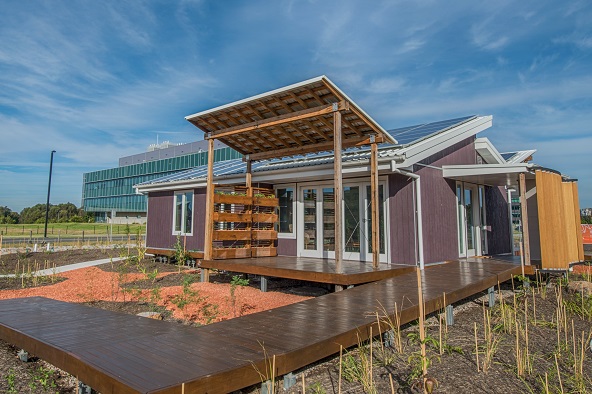
Flame House external elevation demonstrating sustainable Architecture


An amazing concept from a team of students and academics from the University of Wollongong have produced a fabulous winning proposal for the Solar Decathlon at the 2013 event held in China. They immediately had a point of difference as they decided to make their entry a retrofit of an existing home.

The project named the "Illawara Flame" used the idea of seasonal transformation. Inspired by the Illawara flame tree, a species native to the eastern seaboard of Australia. In spring the tree transforms into an abundance of red blossom- a metaphorical take on the transformation of an existing "atypical" home into a stunning sustainable home of the future.

What I think makes this an outstanding design is that it looks at modifying an existing home; in this case being a 1960's suburban fibro home- into a net zero energy consumption dwelling, one that looks dynamic and interesting. A true testament to Sustainable Architecture.

Take a look at this winning piece of architecture here

Interior view of the solar passive interior. Solar design of internal spaces.
Image Supplied by Wollongong City Library and the Illawarra Historical Society
Illawara Flame Tree


Wednesday, August 7, 2013

2030


One of the biggest topics in architecture at the moment is sustainability. No longer a fringe topic but a shift towards headline consideration. It can be considered a valid item in the discussion points of design, no longer arbitrary or invalid in inclusion. Today there are great shifts to making it mainstream because the impact going forward can be great in making a difference, a positive difference. Sustainable Architecture is an important part of society going forward into the future.

Residential housing is one of the biggest contributors to green house gases. Going green is a consideration by designers and builders in concepts being developed and built right now, many homes now have included environmental considerations. What's more important is that consumers are now savvy and enlightened, making conscious decisions about being energy efficient and environmentally responsible.

There are many movements pushing the cause to make change and one in particular is Architecture 2030. The initiative to make all new buildings and renovations carbon neutral by 2030. An inspiring target for sustainable architecture.

Take a look at the video to find out more.